Table of Contents
Dan Koe Bachelor Curriculum — 01.The Most Profitable Niche Into You
01. Creating Clarity
Summary of This Chapter
This chapter is a pre-course reading for Dan Koe’s bachelor curriculum. It focuses on the critical concept of acquiring specific knowledge and building creative systems through a personalized and experiential learning journey. The core aim is to move beyond traditional education models that emphasize memorization and rote learning, advocating instead for a process rooted in genuine curiosity, passion, and practical application.
6 Steps To Acquiring Specific Knowledge & Build Creative Systems
Dan Koe introduces the “6 steps to acquiring specific knowledge and building creative systems” framework, a methodology that champions experiential learning and project-based immersion for developing unique, high-value expertise.
| Step & Key Action | Learning Focus | Outcome & Essence |
|---|---|---|
| 1. Start & Outline a Personal Project: Define your “Domain Of Mastery” through a personal project. | Identifying knowledge gaps and giving learning purpose. | A defined project with clear goals, providing a focus for learning. |
| 2. Emulate a Successful Project: Research and adapt a successful model for your project. | Understanding success and adapting proven strategies. | Clarity on desired outcomes and a framework to build upon. |
| 3. Start with Current Knowledge: Actively engage with the unknown by launching your project. | Experiential learning through direct application and identifying immediate needs. | Real progress on the project and identification of specific knowledge gaps. |
| 4. Immerse in a Conducive Environment: Surround yourself with relevant information and inspiration. | Continuous learning and shaping your thinking through relevant input. | Increased exposure to valuable resources and a supportive learning atmosphere. |
| 5. Self-Educate to Fill Gaps: Seek targeted solutions for specific project challenges. | Efficient and practical learning focused on immediate needs. | Targeted knowledge directly applicable to solving project problems. |
| 6. Document & Iterate: Record experiences and refine based on feedback. | Transforming experience into reusable systems and valuable insights. | Replicable systems, valuable knowledge, and potential for sharing or monetization. |
My reviews of this Chapter:
this chapter sets a strong foundation by encouraging active learning, resilience, and creative problem-solving—perfect for anyone like me aspiring to build a digital brand and business that stands out.

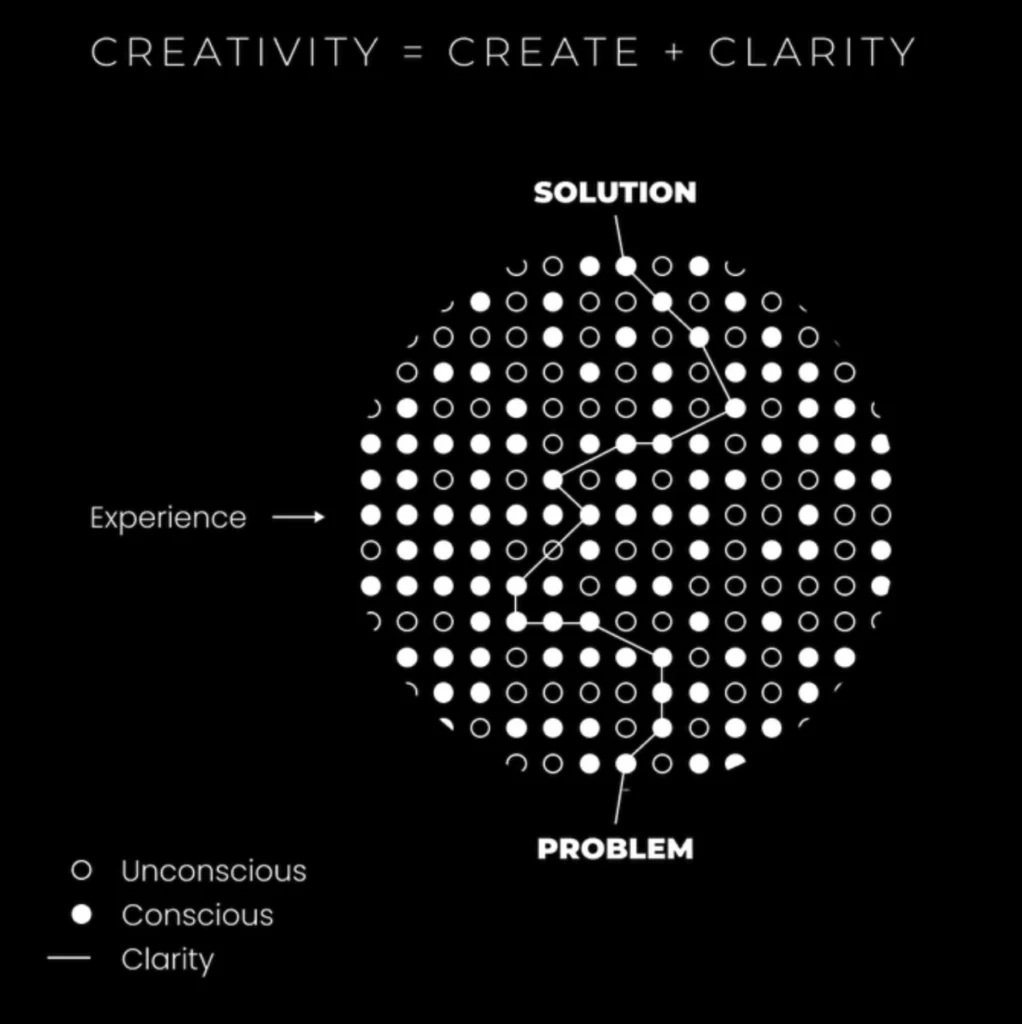
The part I love the most is the clarity it brings on how to actually learn and build useful skills through experience, not just passive reading or videos. I especially love the emphasis on specific knowledge—skills you can’t just get from a course or training because they’re based on unique experiences and passion. The 6-step methodology stood out as the most valuable takeaway, together with the image of "creativity = create + clarity" . This approach feels way more doable and motivating than traditional education methods.

On the downside, the chapter assumes you already have some basic understanding of your field, so total beginners might feel a bit overwhelmed or unsure where to start.
Outline of Dan Koe Digital Economics
- Introduction to Digital Entrepreneurship
- Importance of control over income
- Limitations of platform dependence
- Types of Products & Services
- Explanation of the three categories: Done for you, Done with you, Do it yourself
- Focusing on digital products
- The Evolution of Your Offer Stack
- Steps to create a lead magnet
- Transitioning from service to product
- Building Authority and a Personal Brand
- Importance of content creation
- Leveraging results for credibility
- Networking and Relationship Building
- Ways to connect and engage with potential clients
- The role of social proof
- Understanding Customer Awareness Levels
- Mapping customer awareness to content strategy
- Conclusion
- Emphasis on persuasion as a critical skill
- Encouragement to take immediate action
2.My Entrepreneur Course Review:
Honestly, this content of Dan Koe Digital Economics feels like an absolute game-changer for someone like me who’s about to dive into building a digital economics startup. As a young guy hungry for knowledge and real-world application, this course breaks down complex ideas into practical steps that don’t just stay theoretical. The emphasis on creating your own digital product or service—rather than relying on ad platforms or fleeting social income—hits home because it stresses control and scalability, which is exactly what I want for my business.
I really vibe with the phased approach: starting with a lead magnet to build authority, then moving into consulting to gain experience and test the market, and finally packaging everything into scalable digital products. This step-by-step evolution feels less overwhelming and more like a clear roadmap, which is crucial when juggling learning and execution. It’s cool how it pushes you to “just start” and figure things out by doing, highlighting that discomfort and struggle aren’t just obstacles but growth catalysts.
Also, the deep dive into persuasion—how to craft offers that emotionally connect and convert—makes a lot of sense, especially since most people underestimate how much psychology drives buying decisions online. The breakdown of social proof, scarcity, liking, and authority as pillars of influence felt like insider info that every startup founder needs to internalize. Plus, the focus on building a personal brand and network rather than chasing quick money aligns with the vision I have: sustainable, impactful growth.
The content about creating a distribution network—your audience, email list, peers, and community—as a foundation instead of relying on paid ads was really eye-opening. It makes the whole process feel more human and attainable, not just some algorithmic hustle. It encourages building real relationships through genuine outreach and networking, which I find super motivating since I’m naturally pretty social and keen on connecting with others who share my passion.
What truly stands out is the practical mindset this course cultivates—everything from writing engaging content with a hook that captures attention to constantly iterating based on feedback. The clear call to action to dump limiting beliefs about the “right” way to write or grow an audience echoed with me. The advice to start posting daily, no matter how imperfect, is exactly the push I need to overcome hesitation and start building real momentum.
Overall, this course isn’t just about digital economics or making sales; it’s about personal development, mindset shifts, and creating leverage through authentic value. For anyone starting a digital business, especially like me who’s mapping out a startup from scratch, this feels like a practical, no-BS blueprint to get moving, stay consistent, and grow an audience that truly buys into what you’re building. I’m genuinely excited to apply these lessons, start making connections, and turn the knowledge into action because this content made me realize that success isn’t about waiting for the “perfect” moment—it’s about starting now and learning fast.
3.FAQs from This Chapter
What is a Lead Magnet?
A lead magnet is a free resource provided in exchange for a potential customer’s email, designed to establish authority and nurture leads.
How can I turn my services into a product?
After gaining experience and client testimonials through services, you can package your knowledge into a scalable online product.
Why is understanding customer awareness important?
Tailoring your marketing based on customers’ awareness levels helps ensure that your messaging resonates, guiding them smoothly down the conversion funnel.
Can I build a substantial income without a large following?
Yes! Leveraging personal relationships, networking, and effective communication can lead to high-ticket sales without a significant existing audience.
What’s the best way to start networking?
Begin by reaching out to people whose work you admire, complimenting them on specific aspects of their content and exploring avenues for collaboration.
How can I continually improve my offerings?
Keep collecting feedback from clients and adapt your services or products to meet the evolving demands of your audience.
What’s the importance of social proof in marketing?
Social proof enhances credibility. Good testimonials and reviews provide prospective customers with assurance and confidence in your offerings.